
Embark on a journey to transform your home with vinyl siding replacement. Discover the benefits, steps, costs, and maintenance tips that will elevate your property’s curb appeal and longevity.
Benefits of Vinyl Siding Replacement
Vinyl siding replacement offers numerous advantages that make it a popular choice for homeowners looking to enhance the appearance and durability of their homes.
Enhanced Curb Appeal
One of the key benefits of vinyl siding replacement is the instant boost it provides to the curb appeal of a home. With a wide range of colors and finishes available, homeowners can easily find a style that complements their home’s architecture and personal taste.
This can significantly increase the overall value and attractiveness of the property.
Durability and Low Maintenance
Vinyl siding is known for its exceptional durability and low maintenance requirements. Unlike wood siding, vinyl does not rot, warp, or attract pests, making it a long-lasting and cost-effective choice. Additionally, vinyl siding is easy to clean and typically only requires occasional washing with soap and water, eliminating the need for frequent painting or staining.
Steps for Vinyl Siding Replacement
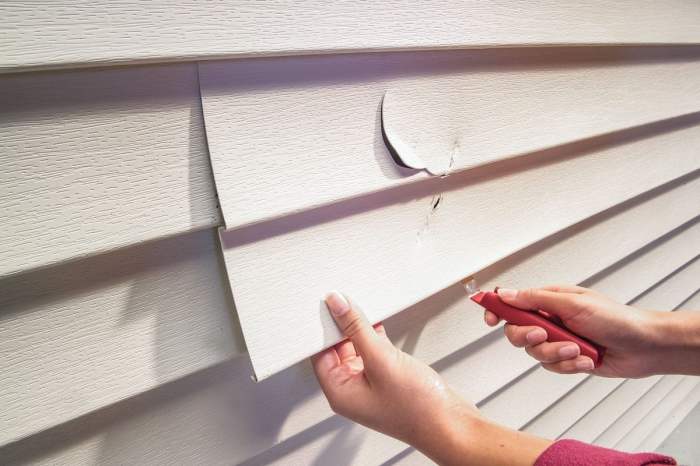
When it comes to replacing vinyl siding on your house, it is important to follow a systematic process to ensure a successful outcome. From preparing the house for siding replacement to installing the new vinyl siding, each step plays a crucial role in the overall project.
Preparing the House for Siding Replacement
Before starting the vinyl siding replacement project, it is essential to prepare the house properly. Here are the steps involved in preparing the house for siding replacement:
- Remove any outdoor furniture, decorations, or obstacles near the house to provide clear access to the exterior walls.
- Clean the existing siding to remove dirt, debris, and mildew that may affect the new siding installation.
- Inspect the exterior walls for any damage, rot, or mold that needs to be addressed before installing new siding.
- Take accurate measurements of the walls to determine the amount of new vinyl siding needed for the project.
Removing Old Vinyl Siding Safely
The process of removing old vinyl siding requires caution and precision to avoid damaging the underlying structure. Here are the steps involved in safely removing old vinyl siding:
- Start by removing the trim pieces, J-channels, and corner posts to expose the edges of the siding panels.
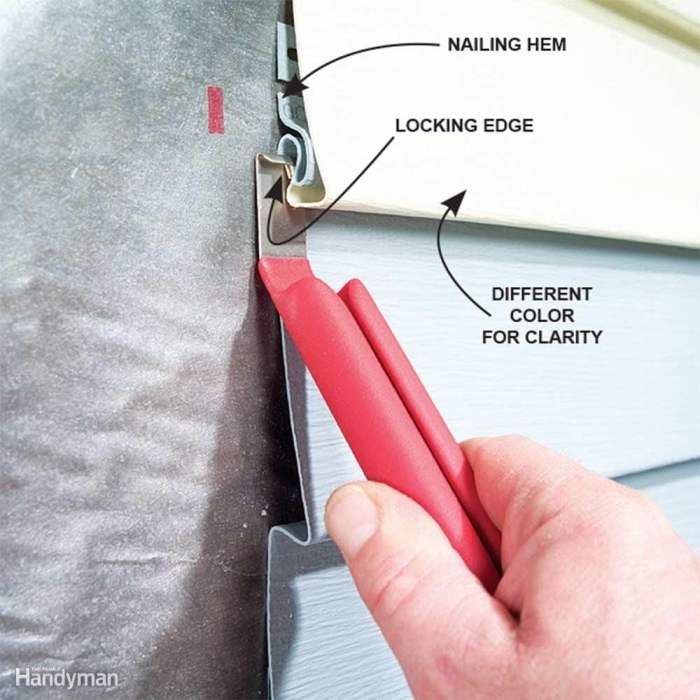
- Use a siding removal tool or zip tool to unlock the siding panels from each other and the wall.
- Carefully pull off the siding panels, starting from the top and working your way down to prevent any damage.
- Inspect the wall sheathing for any damage or moisture issues that need to be addressed before installing new siding.
Installing New Vinyl Siding
Once the old vinyl siding has been removed, it’s time to install the new vinyl siding. Here are the steps involved in installing new vinyl siding:
- Start by installing a starter strip at the bottom of the wall to support the first row of siding panels.
- Secure the siding panels to the wall using nails or screws, making sure to leave room for expansion and contraction.
- Overlap the siding panels according to the manufacturer’s instructions to ensure a watertight seal.
- Install trim pieces, J-channels, and corner posts to finish the edges and corners of the siding installation.
Cost Considerations
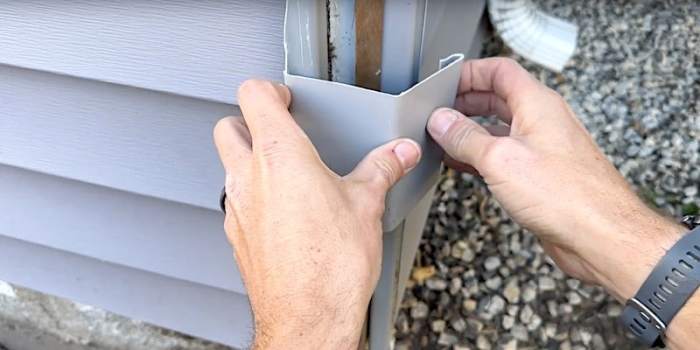
When considering a vinyl siding replacement project, it is essential to understand the cost implications involved. Vinyl siding is known for being a cost-effective option compared to other siding materials, but there are still factors that can influence the overall cost of the project.
Comparison with Other Siding Materials
- Vinyl siding is generally more affordable than materials like wood, brick, or stucco.
- Fiber cement siding may have a similar cost to vinyl but requires more maintenance over time.
- Compared to metal or stone siding, vinyl is usually the more budget-friendly choice.
Factors Affecting Cost
- The size of your home and the amount of siding needed will impact the total cost.
- Quality of the vinyl material chosen can affect pricing – higher quality may come at a higher cost.
- Additional elements like trim, insulation, and labor costs should be factored in.
- If any repairs or prep work are needed before installation, this can add to the overall cost.
Effective Budgeting Tips
- Get multiple quotes from different contractors to compare prices and services offered.
- Consider the long-term savings of energy-efficient vinyl siding options to offset initial costs.
- Plan for unexpected expenses by setting aside a contingency fund in your budget.
- Opt for standard colors and styles of vinyl siding to avoid additional customization costs.
Maintenance Tips for Vinyl Siding
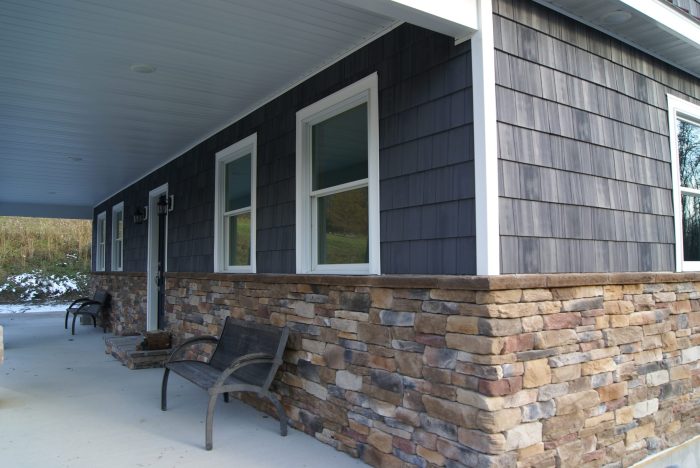
Proper maintenance is key to ensuring the longevity and appearance of your vinyl siding. Here are some tips to help you keep your vinyl siding looking great for years to come.
Cleaning Vinyl Siding
- Regularly clean your vinyl siding with a mixture of water and mild soap using a soft brush or cloth.
- Avoid using harsh chemicals or abrasive materials that can damage the surface of the siding.
- Rinse thoroughly with water to remove any soap residue.
Preventing Warping or Fading
- Avoid placing grills or other heat sources too close to the siding to prevent warping.
- Trim back any trees or bushes that may rub against the siding and cause damage.
- Choose lighter colors for your vinyl siding as they are less likely to fade over time.
Preserving the Look of Vinyl Siding
- Inspect your siding regularly for any signs of damage or wear and tear.
- Consider applying a UV-resistant coating to protect against sun damage.
- Use a vinyl siding cleaner or mildew remover to keep your siding looking fresh.
Epilogue
In conclusion, vinyl siding replacement offers a cost-effective and durable solution to enhance your home’s exterior. Follow these guidelines to ensure a smooth and successful renovation project that will stand the test of time.
Expert Answers
What are the advantages of vinyl siding replacement?
Replacing vinyl siding offers enhanced durability, low maintenance, and improved curb appeal compared to other materials.
How do I prepare my house for vinyl siding replacement?
Prepare your house by cleaning the existing siding, repairing any damage, and ensuring a smooth surface for installation.
What factors can affect the cost of a vinyl siding replacement project?
The size of your house, quality of materials chosen, and any additional customization can impact the overall cost.
How can I maintain my vinyl siding?
Regularly clean your siding, prevent warping or fading by avoiding harsh chemicals, and consider using specialized products for maintenance.