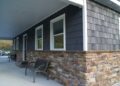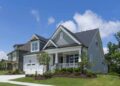

Diving into the realm of vinyl shake siding cost per square foot, this introduction sets the stage for a comprehensive exploration of the topic. From material quality to installation expenses, we unravel the various factors that influence the pricing of vinyl shake siding, providing readers with valuable insights and information.
Factors affecting vinyl shake siding cost per square foot
When considering the cost of vinyl shake siding per square foot, several factors come into play that can influence the overall price.
Material Quality
The quality of the vinyl material used for the siding can have a significant impact on the cost per square foot. Higher quality materials that are more durable and offer better insulation properties will generally come at a higher price point compared to lower quality options.
Siding Style and Design
The style and design of the vinyl shake siding can also affect the cost per square foot. Custom designs or intricate patterns may require more labor and expertise to install, leading to a higher overall cost. Additionally, certain styles or finishes may be more expensive due to their popularity or unique features.
Installation Complexity
The complexity of the installation process can also impact the cost of vinyl shake siding per square foot. Factors such as the size and shape of the property, accessibility to the installation area, and any additional preparation work needed can all contribute to variations in pricing.
Additional Features
Incorporating additional features such as insulation or specialized color options can add to the overall cost of vinyl shake siding per square foot. While these features can enhance the appearance and functionality of the siding, they may come with a higher price tag that reflects the added benefits they provide.
Comparing vinyl shake siding costs to other siding materials
Vinyl shake siding offers a cost-effective alternative to traditional siding materials, making it a popular choice among homeowners. Let’s explore how the cost of vinyl shake siding compares to other siding materials.
Cost Differences between Vinyl Shake Siding and Traditional Wood Siding
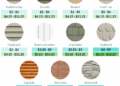
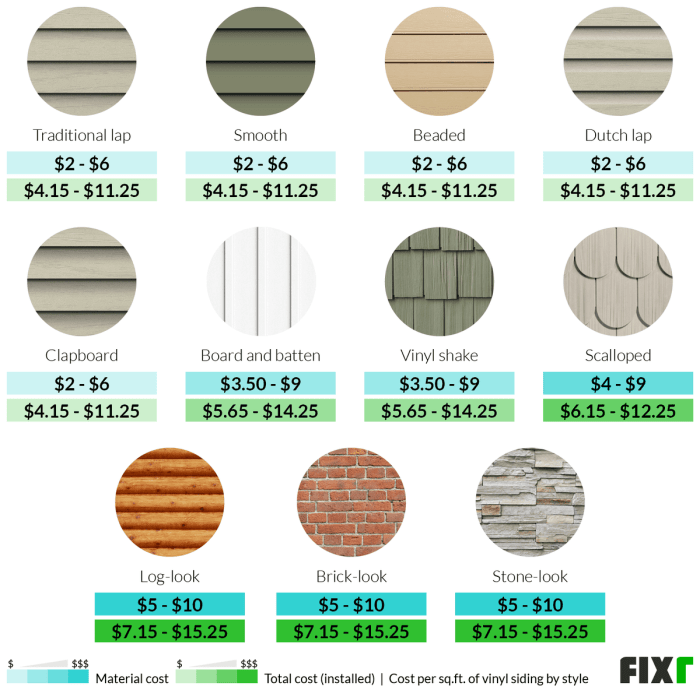
When comparing vinyl shake siding to traditional wood siding, the cost difference is significant. While wood siding can cost anywhere from $6 to $8 per square foot, vinyl shake siding typically ranges from $3 to $6 per square foot. This makes vinyl shake siding a more budget-friendly option for those looking to achieve the look of wood without the high price tag.
Price Variation between Vinyl Shake Siding and Fiber Cement Siding
Fiber cement siding is another popular alternative to vinyl shake siding. The cost of fiber cement siding usually falls between $5 to $10 per square foot, depending on the brand and quality. In comparison, vinyl shake siding is generally more affordable, with costs ranging from $3 to $6 per square foot.
This makes vinyl shake siding a cost-effective choice for homeowners on a budget.
Cost per Square Foot of Vinyl Shake Siding Compared to Metal Siding Options
Metal siding options, such as aluminum or steel, can vary in price from $5 to $12 per square foot. While metal siding is durable and low-maintenance, it tends to be more expensive than vinyl shake siding. With vinyl shake siding typically costing between $3 to $6 per square foot, homeowners can achieve a similar aesthetic at a lower cost.
Cost Benefits of Vinyl Shake Siding over Other Materials
Overall, vinyl shake siding provides cost benefits over other siding materials such as wood, fiber cement, and metal. With its affordable price range and low maintenance requirements, vinyl shake siding offers a cost-effective solution for homeowners looking to enhance their home’s exterior without breaking the bank.
Installation expenses and labor costs for vinyl shake siding
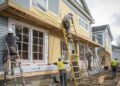
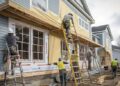
Installing vinyl shake siding involves additional costs beyond just the material itself, including labor expenses. Understanding these costs is crucial in budgeting for your siding project.Labor costs for vinyl shake siding installation are typically calculated per square foot. On average, homeowners can expect to pay around $1.50 to $3.00 per square foot for labor.
However, this cost can vary depending on factors such as the complexity of the installation, the location of your home, and the experience of the contractor.It’s important to hire professionals for siding installation to ensure the job is done correctly.
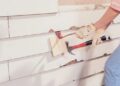
Proper installation is essential for the longevity and durability of your siding, preventing issues such as warping, gaps, or moisture intrusion. Professionals have the skills and experience to handle the installation efficiently and effectively.During the installation process, there may be additional charges that arise.
These can include fees for removing old siding, repairing any underlying damage or rot, or adding insulation. It’s essential to discuss these potential extra costs with your contractor upfront to avoid any surprises in your final bill.
Maintenance and long-term cost considerations for vinyl shake siding
Vinyl shake siding is known for its low maintenance requirements, making it an attractive option for homeowners looking to minimize upkeep costs over time.
Maintenance Requirements of Vinyl Shake Siding
- Regular cleaning with a mild detergent and water can help maintain the appearance of vinyl shake siding.
- Inspecting for any signs of damage, such as cracks or warping, and addressing them promptly can prevent costly repairs in the future.
- Repainting may be necessary every 5-10 years to keep the siding looking fresh and to protect it from the elements.
Maintenance Costs and Overall Cost per Square Foot
- While maintenance costs for vinyl shake siding are relatively low compared to other materials, they should still be factored into the overall cost per square foot to get a true picture of long-term expenses.
- Regular maintenance can help extend the lifespan of the siding, reducing the need for premature replacement and saving money in the long run.
Durability of Vinyl Shake Siding and Impact on Long-term Expenses
- Vinyl shake siding is known for its durability and resistance to rot, insect damage, and moisture, making it a long-lasting option for homeowners.
- The longevity of vinyl shake siding can significantly reduce long-term expenses by minimizing the need for repairs or replacements.
Tips for Reducing Long-term Costs Associated with Vinyl Shake Siding
- Choose a high-quality vinyl shake siding product from a reputable manufacturer to ensure durability and longevity.
- Regularly inspect and maintain the siding to address any issues before they escalate into costly repairs.
- Avoid using harsh chemicals or abrasive materials when cleaning vinyl shake siding to prevent damage.
Closing Notes
In conclusion, the discussion on vinyl shake siding cost per square foot sheds light on the intricacies of pricing and factors to consider when investing in this type of siding. From comparing costs to understanding maintenance requirements, this overview equips readers with the knowledge needed to make informed decisions about their siding choices.
FAQ Insights
What factors influence the cost of vinyl shake siding?
Material quality, siding style, installation complexity, and additional features like insulation or color options all play a role in determining the cost per square foot.
How does the cost of vinyl shake siding compare to other materials like wood or fiber cement?
Vinyl shake siding is typically more cost-effective than traditional wood siding and can be comparable or slightly more expensive than fiber cement siding, depending on the brand and quality.
What are the typical installation costs per square foot for vinyl shake siding?
Installation costs can vary but generally range from $4 to $8 per square foot, including labor.
What maintenance requirements are associated with vinyl shake siding?
Vinyl shake siding requires minimal maintenance, such as occasional cleaning and inspections for damage. This can help reduce long-term costs.