
Vertical siding houses offer a unique and visually appealing look to any home. From different types of siding to installation tips and maintenance guidelines, this guide dives deep into everything you need to know about vertical siding houses. Let’s explore the world of vertical siding and discover how it can transform your home’s exterior.
Types of Vertical Siding
Vertical siding comes in various types, each with its own unique characteristics and benefits. Let’s explore some of the most common options used in houses.
Board-and-Batten Siding
Board-and-batten siding consists of wide boards with narrow strips (battens) covering the seams. This type of siding provides a rustic and charming look to a house. The pros include its durability and ability to hide imperfections in the wall. However, it may require more maintenance due to potential warping or rotting over time.
Panel Siding
Panel siding, also known as vertical panels, offers a sleek and modern appearance to a house. It is available in various materials such as wood, fiber cement, or vinyl. The pros of panel siding include easy installation and minimal maintenance.
However, panel siding may not provide as much texture and depth as board-and-batten siding.
Comparison of Aesthetics
When comparing the aesthetics of board-and-batten siding versus panel siding, it ultimately comes down to personal preference and the style of the house. Board-and-batten siding adds a more traditional and rustic look, while panel siding offers a cleaner and contemporary appearance.
Both types have their own charm and can enhance the overall curb appeal of a home.
Installation of Vertical Siding
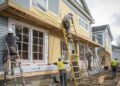
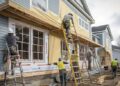
When it comes to installing vertical siding on a house, proper techniques and attention to detail are essential to ensure a long-lasting and visually appealing result. Below are some important points to consider during the installation process.
Preparation and Planning
- Begin by carefully measuring the area where the vertical siding will be installed to determine the amount of material needed.
- Inspect the exterior surface of the house for any damage or rot that may need to be repaired before the siding is installed.
- Choose the appropriate type of vertical siding based on the climate and style of the house.
Installation Process
- Start by installing a moisture barrier or house wrap to protect the underlying structure from water damage.
- Secure the starter strip at the bottom of the wall to provide a level base for the siding panels.
- Install the vertical siding panels starting from one corner of the wall and working your way across, making sure to leave a small gap at the top for expansion.
- Use appropriate fasteners and follow the manufacturer’s guidelines for spacing and placement.
Tips for a Proper Installation
- Ensure that the siding panels are properly aligned and level to maintain a uniform appearance.
- Use a nail gun or siding nail to securely attach the panels to the wall, avoiding overdriving or underdriving the nails.
- Seal any gaps or joints with caulk to prevent water infiltration and ensure a weather-tight seal.
Common Mistakes to Avoid
- Avoid installing siding panels too tightly together, as they need room to expand and contract with temperature changes.
- Do not overlook the importance of flashing around windows, doors, and other openings to prevent water intrusion.
- Avoid using the wrong type of fasteners or failing to follow the manufacturer’s recommendations, which can lead to premature siding failure.
Maintenance of Vertical Siding
Proper maintenance of vertical siding is essential to ensure its longevity and aesthetic appeal. By following a maintenance schedule and knowing how to clean and repair different types of vertical siding, you can keep your home looking great for years to come.
Maintenance Schedule for Vertical Siding
Regular maintenance is key to preserving the condition of your vertical siding. Here is a general maintenance schedule to follow:
- Inspect your siding at least once a year for any signs of damage, such as cracks, peeling paint, or mold.
- Clean your siding at least twice a year to remove dirt, debris, and mildew buildup.
- Repair any damaged areas promptly to prevent further issues.
- Consider applying a fresh coat of paint every 5-7 years to maintain the siding’s appearance and protection.
Cleaning Different Types of Vertical Siding
Each type of vertical siding requires specific cleaning methods to avoid damage. Here are some tips for cleaning different types effectively:
- Vinyl Siding:Use a mixture of water and mild soap, along with a soft brush or cloth to scrub away dirt and grime. Rinse with a garden hose.
- Wood Siding:Clean with a solution of water and mild detergent, using a soft brush to scrub gently. Rinse thoroughly with water.
- Fiber Cement Siding:Avoid using high-pressure washers and abrasive cleaners. Clean with water and mild soap, rinsing well afterward.
Repairing Damaged Vertical Siding
If you notice any damage to your vertical siding, it’s important to address it promptly to prevent further issues. Here are some tips for repairing damaged siding:
- Cracks:Fill cracks with caulk or putty, smoothing it out for a seamless finish.
- Peeling Paint:Scrape off loose paint, sand the area, and apply a new coat of paint to protect the siding.
- Rotting Wood:Replace any rotted wood sections with new siding pieces to prevent further damage.
Design Ideas with Vertical Siding
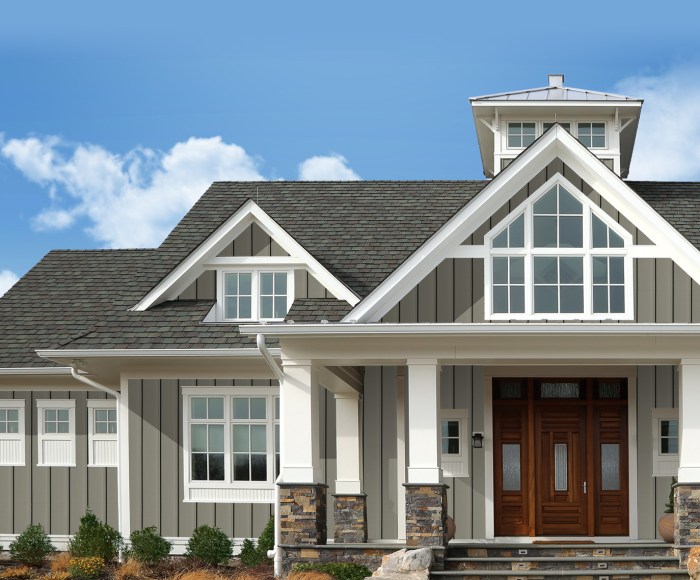
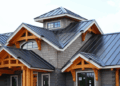
Vertical siding can add a unique and modern touch to the exterior of a house. There are various design ideas that can help showcase the beauty of vertical siding, from color choices to architectural elements.
Color Choices Impact
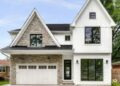
When it comes to vertical siding houses, color choices play a significant role in determining the overall look. Dark colors like navy blue or charcoal grey can create a bold and striking appearance, while lighter hues such as white or beige can give a more classic and timeless feel.
Mixing and matching colors can also add visual interest and uniqueness to the design.
Architectural Elements Enhancement
Incorporating architectural elements like gables, dormers, or columns can enhance the aesthetics of vertical siding houses. These elements can create depth and dimension, breaking up the vertical lines of the siding and adding character to the overall design. For example, adding a gable with decorative trim can elevate the look of a vertical siding house and make it stand out in the neighborhood.
Last Word
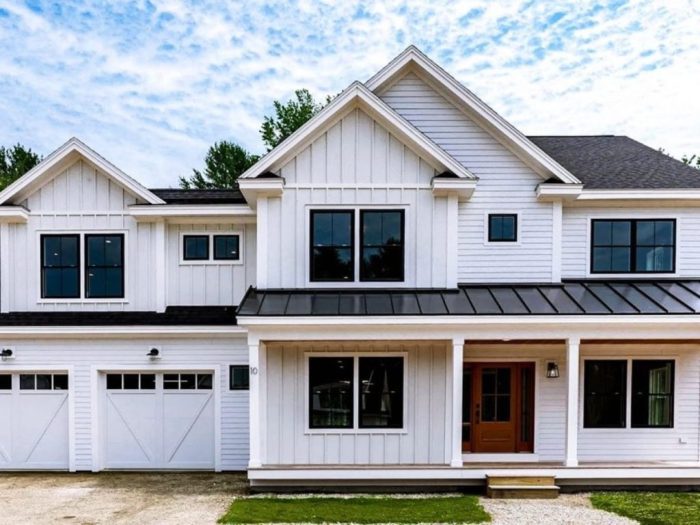
In conclusion, vertical siding houses provide a versatile and stylish option for homeowners looking to elevate their curb appeal. Whether you’re considering a new design or need maintenance tips, this guide has covered it all. Embrace the charm of vertical siding and watch your home stand out in the neighborhood.
Answers to Common Questions
How do I choose the right type of vertical siding for my house?
Consider factors like durability, maintenance requirements, and aesthetic appeal when selecting vertical siding for your home. Each type has its pros and cons, so weigh your options carefully before making a decision.
What is the best way to clean vertical siding?
To clean vertical siding effectively, use a mixture of water and mild soap. Avoid harsh chemicals that can damage the siding. A soft-bristle brush or cloth can help remove dirt and grime without causing scratches.
How often should I schedule maintenance for my vertical siding?
Regular maintenance for vertical siding is crucial to ensure its longevity. Plan to inspect and clean the siding at least once a year, and address any issues promptly to prevent further damage.