
Diving into the realm of roofing and siding, this introduction aims to provide a detailed overview of the key aspects related to these crucial elements of a building. From materials to installation and maintenance, each section delves into essential information that will help readers navigate the world of roofing and siding with confidence.
As we embark on this journey, prepare to uncover the intricacies of roofing materials, siding options, installation processes, and maintenance practices that are vital for the longevity and functionality of your property.
Roofing Materials
When it comes to roofing materials, there are several options to choose from, each with its own unique characteristics and benefits.
Asphalt Shingles vs. Metal Roofing
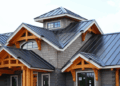
Asphalt shingles are a popular choice due to their affordability and ease of installation. However, they are not as durable as metal roofing options. Metal roofs, on the other hand, are known for their longevity and resistance to harsh weather conditions.
While asphalt shingles may need to be replaced every 15-20 years, metal roofs can last 50 years or more, making them a more durable choice in the long run.
Environmental Impact
- Asphalt shingles are petroleum-based products and contribute to landfill waste when replaced.
- Metal roofing is often made from recycled materials and can be recycled at the end of its life cycle, making it a more sustainable option.
- Choosing eco-friendly roofing materials, such as metal or clay tiles, can help reduce the environmental impact of your home.
Benefits of Eco-Friendly Roofing
- Eco-friendly roofing materials can improve energy efficiency and reduce heating and cooling costs.
- They can also enhance indoor air quality and provide better insulation for your home.
- By choosing sustainable roofing options, you can contribute to a greener future and reduce your carbon footprint.
Siding Options
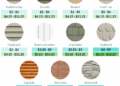
Vinyl, wood, and fiber cement are popular choices for siding materials due to their durability and aesthetics. Each type has its own unique characteristics and maintenance requirements, making it important to choose the right one for your home.
Vinyl Siding
Vinyl siding is known for its low maintenance and affordability. It is easy to clean with just soap and water, making it a popular choice for many homeowners. However, it may fade over time and is not as durable as other options.
Wood Siding
Wood siding provides a natural and timeless look to a home. It requires regular maintenance such as painting or staining to prevent rot and decay. While it can be more expensive upfront, the aesthetic appeal of wood siding is undeniable.
Fiber Cement Siding
Fiber cement siding is a durable and low-maintenance option that mimics the look of wood or stucco. It is resistant to rot, fire, and pests, making it a long-lasting choice for homeowners. However, it may require repainting over time to maintain its appearance.
Maintenance Requirements
- Vinyl siding: Regular cleaning with soap and water.
- Wood siding: Periodic painting or staining to prevent rot.
- Fiber cement siding: Occasional repainting to maintain appearance.
Cost-Effectiveness
- Vinyl siding is the most cost-effective option upfront.
- Wood siding may be more expensive initially but can add value to a home.
- Fiber cement siding falls in between in terms of cost and durability.
Choosing the Right Siding
Consider the architectural style of your home when choosing siding. For traditional homes, wood siding may be a good fit, while modern homes may benefit from the sleek look of fiber cement. Vinyl siding is versatile and can complement a variety of architectural styles.
Roofing and Siding Installation
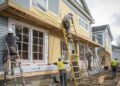
Installing a new roof or replacing damaged siding panels are crucial tasks that require careful attention to detail and proper techniques. Let’s explore the general steps involved in roofing installation, the process of replacing damaged siding panels, the importance of ventilation during roofing installation, and safety tips for DIY projects.
General Steps in Roofing Installation
Roofing installation involves several key steps to ensure a strong and durable roof for your home. Here are the general steps typically followed:
- Remove the old roofing materials
- Inspect the roof deck for any damage
- Install underlayment to protect against water intrusion
- Apply the roofing material of your choice
- Finish with flashing and trim work
Replacing Damaged Siding Panels
When it comes to replacing damaged siding panels, the process can vary depending on the type of siding. Here are some general steps to guide you:
- Identify the damaged panels
- Remove the damaged panels carefully
- Prepare the area for new siding installation
- Install the new siding panels securely
- Make sure the siding is properly sealed and painted, if needed
Importance of Proper Ventilation during Roofing Installation
Proper ventilation is essential during roofing installation to prevent moisture buildup and maintain the longevity of your roof. Adequate ventilation helps regulate temperature and moisture levels in the attic, reducing the risk of mold and rot. It also enhances energy efficiency by preventing heat buildup in the summer months.
Safety Tips for DIY Roofing and Siding Projects
When embarking on DIY roofing and siding projects, safety should always be a top priority. Here are some essential safety tips to keep in mind:
- Use proper safety gear, including gloves, goggles, and a hard hat
- Work with a partner to ensure someone is available in case of an emergency
- Familiarize yourself with the tools and materials before starting the project
- Avoid working on the roof or siding during adverse weather conditions
- Follow manufacturer’s instructions and local building codes at all times
Roofing and Siding Maintenance
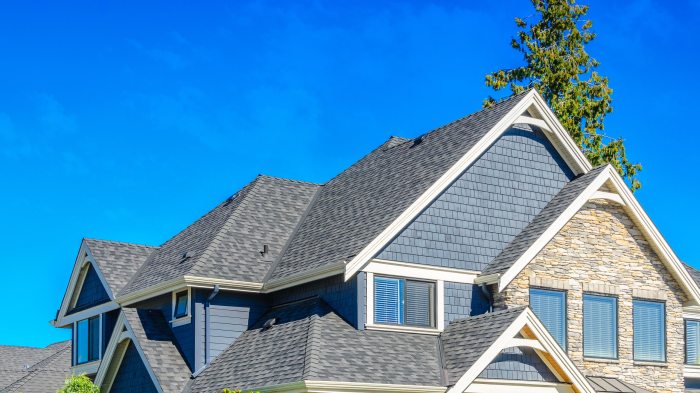
Regular maintenance is crucial to ensuring the longevity and durability of your roofing and siding. By following a checklist for seasonal roof maintenance and keeping an eye out for signs of damage, you can address issues early on and prevent costly repairs down the line.
Additionally, performing regular inspections on your siding and cleaning it properly can help maintain its appearance and functionality over time.
Checklist for Seasonal Roof Maintenance
- Inspect the roof for missing, damaged, or loose shingles.
- Clean out gutters and downspouts to prevent clogs and water damage.
- Trim overhanging tree branches to prevent damage from falling debris.
- Check for signs of water damage or leaks in the attic.
- Inspect the flashing around vents, chimneys, and skylights for signs of wear and tear.
Spotting Signs of Roof Damage Early
- Look for water stains on the ceiling or walls, which could indicate a leak.
- Check for missing or damaged shingles that may need to be replaced.
- Inspect the roof for signs of sagging or uneven areas, which could indicate structural issues.
- Keep an eye out for granules from shingles in your gutters, as this could mean the shingles are deteriorating.
- Look for signs of mold, mildew, or rot, which could indicate water damage.
Importance of Regular Siding Inspections
Regular inspections of your siding can help identify issues such as cracks, warping, or fading early on. By addressing these problems promptly, you can prevent further damage and maintain the appearance and functionality of your siding over time.
Tips for Cleaning and Maintaining Different Types of Siding
- Vinyl Siding:Clean with a mixture of water and mild detergent, using a soft brush or cloth. Rinse thoroughly with water.
- Wood Siding:Regularly inspect for rot or mold, and clean with a solution of water and mild detergent. Apply a fresh coat of paint or sealant as needed.
- Fiber Cement Siding:Clean with water and a mild detergent, using a soft brush or cloth. Avoid using high-pressure washers, as they can damage the siding.
- Metal Siding:Wash with water and mild detergent, then rinse thoroughly. Inspect for signs of rust and treat as necessary.
- Brick Siding:Clean with a mixture of water and vinegar, using a soft brush or cloth. Avoid using harsh chemicals or high-pressure washers that can damage the brick.
Final Wrap-Up
In conclusion, roofing and siding play a significant role in the structural integrity and aesthetic appeal of any building. By understanding the nuances of these components and following proper maintenance guidelines, you can ensure that your property remains safe, secure, and visually appealing for years to come.
Quick FAQs
What are the benefits of using eco-friendly roofing options?
Eco-friendly roofing options help reduce environmental impact, improve energy efficiency, and can even lower utility costs in the long run.
How can I spot signs of roof damage early?
Look for missing or damaged shingles, water stains on the ceiling, or sagging areas on the roof, as these are common signs of roof damage.
What are the differences between vinyl, wood, and fiber cement siding?
Vinyl siding is low maintenance, wood siding offers a traditional look, and fiber cement siding is known for its durability and resistance to fire and pests.
What is the importance of proper ventilation during roofing installation?
Proper ventilation helps prevent moisture buildup, prolongs the lifespan of the roof, and maintains a comfortable indoor environment.
What are the general steps involved in installing a new roof?
The general steps include roof inspection, removing old materials, installing underlayment, laying new shingles, and ensuring proper flashing and ventilation.