
Exploring the world of residential siding contractors, this introduction sets the stage for a deep dive into their crucial role in home construction. From services offered to materials used, get ready to uncover the essentials of working with professional contractors in this dynamic field.
As we delve further into the topic, we’ll provide a detailed overview of the different aspects involved in hiring and working with residential siding contractors, offering valuable insights and tips along the way.
Overview of Residential Siding Contractors
Residential siding contractors play a crucial role in the construction and renovation of homes by providing expertise in installing, repairing, and maintaining exterior siding. They are responsible for enhancing the aesthetic appeal, weatherproofing, and insulation of residential properties.
Types of Services Offered
- Installation of various types of siding materials such as vinyl, wood, fiber cement, and metal.
- Repairing and replacing damaged siding to maintain the structural integrity of the home.
- Consultation and recommendation on the best siding options based on the client’s needs and budget.
- Regular maintenance and cleaning of siding to prolong its lifespan and keep it looking pristine.
Importance of Hiring Professional Contractors
Residential siding contractors bring a wealth of experience and knowledge to a project, ensuring that the installation or repair is done correctly and efficiently. Their expertise helps in avoiding costly mistakes and ensures the longevity of the siding. Additionally, professional contractors adhere to safety standards and regulations, providing peace of mind to homeowners.
Common Materials Used
- Vinyl:A popular and affordable option that is low maintenance and comes in a variety of colors.
- Wood:Known for its natural beauty and timeless appeal, but requires more maintenance to prevent rot and insect damage.
- Fiber Cement:Durable and resistant to fire, moisture, and pests, making it a long-lasting choice for siding.
- Metal:Offers excellent durability and can mimic the look of other materials, but may require special installation techniques.
Choosing the Right Residential Siding Contractor
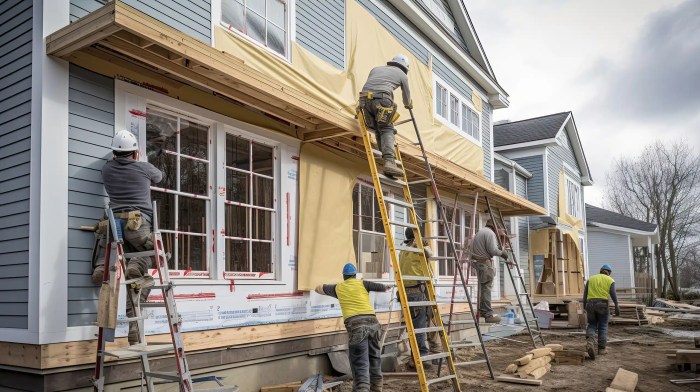
When it comes to selecting a residential siding contractor, there are several key factors to consider to ensure you make the right choice for your home. From checking licenses and certifications to comparing pricing structures, here are some important tips to help you in the selection process.
Importance of Checking Licenses and Certifications
It is crucial to verify that the residential siding contractor you are considering is properly licensed and certified. This ensures that they have met the necessary requirements and standards to perform the work legally and professionally. Hiring a licensed contractor also provides you with protection and recourse in case of any issues or disputes that may arise during the project.
Comparing Pricing Structures
When evaluating different residential siding contractors, it is essential to compare their pricing structures. While cost is an important factor, it should not be the sole determining factor in your decision. Consider the quality of materials used, the scope of work included, and the reputation of the contractor when assessing the pricing.
Opting for the lowest bid may not always result in the best outcome, as quality and expertise should also be taken into account.
Tips on Researching and Shortlisting Potential Contractors
- Ask for recommendations from friends, family, and neighbors who have had siding work done recently.
- Check online reviews and ratings to gauge the reputation and reliability of the contractors.
- Request references from the contractors and follow up by contacting past clients to inquire about their experience.
- Obtain multiple quotes from different contractors to compare prices and services offered.
- Look for contractors who specialize in the type of siding material you are interested in, whether it’s vinyl, wood, fiber cement, or others.
Residential Siding Installation Process
When it comes to residential siding installation, there are several key steps involved to ensure a successful outcome. From preparation work to the actual installation process, residential siding contractors follow a systematic approach to deliver high-quality results in a timely manner.
Preparation Work
Before installing siding on a residential property, contractors must first prepare the area to ensure a smooth installation process. This includes:
- Removing any existing siding or materials that may interfere with the new installation.
- Cleaning and inspecting the exterior walls to identify any structural issues or damage that need to be addressed before proceeding.
- Measuring the dimensions of the property accurately to determine the amount of siding material needed.
- Choosing the appropriate siding material based on the homeowner’s preferences and budget.
Installation Techniques
Residential siding contractors utilize various techniques to install siding efficiently and effectively. Some common techniques include:
- Horizontal or vertical installation depending on the design and layout of the property.
- Overlap method to ensure a seamless and weather-resistant finish.
- Proper insulation and moisture barrier installation to protect the property from environmental elements.
- Trimming and finishing techniques to enhance the overall aesthetic appeal of the property.
Timeline for Completion
The timeline for completing a residential siding installation project can vary depending on the size of the property, the complexity of the design, and other factors. However, on average, a residential siding installation project can take anywhere from a few days to a couple of weeks to complete.
Factors such as weather conditions and material availability may also impact the timeline for the project.
Maintenance and Repair Services Offered by Residential Siding Contractors
Regular maintenance is crucial for the upkeep of residential siding as it helps prevent costly repairs and maintains the overall appearance of the property. Residential siding contractors offer a range of maintenance and repair services to ensure that the siding remains in top condition for years to come.
Importance of Regular Maintenance
- Regular maintenance helps identify any issues early on, preventing them from escalating into major problems.
- It extends the lifespan of the siding, saving homeowners money in the long run.
- Maintaining the siding’s integrity can also improve energy efficiency and insulation in the home.
Common Issues Requiring Repair
- Damage from severe weather conditions such as hail, strong winds, or heavy rain.
- Cracks, warping, or buckling due to age or improper installation.
- Mold, mildew, or rot caused by moisture buildup or poor ventilation.
Tips for Maintaining Residential Siding
- Clean the siding regularly to remove dirt, debris, and mold growth.
- Inspect the siding for any signs of damage or wear and tear, and address them promptly.
- Trim trees and bushes near the siding to prevent damage from branches or foliage.
Repair Process for Damaged Siding
- Assessment: A residential siding contractor will inspect the damage and assess the extent of repairs needed.
- Preparation: The damaged area will be cleaned, and any necessary materials will be gathered.
- Repair: The contractor will replace or repair the damaged siding, ensuring a seamless finish.
- Finishing touches: Any paint or finishing touches will be applied to match the rest of the siding.
Closing Summary
In conclusion, the journey through the realm of residential siding contractors has been enlightening. From installation processes to maintenance services, the importance of these professionals in ensuring the longevity and aesthetics of your home cannot be overstated. Here’s to making informed decisions and collaborating with the best in the business for your siding needs.
Detailed FAQs
What are the key factors to consider when selecting a residential siding contractor?
Factors to consider include experience, reputation, pricing, and the range of services offered.
Why is regular maintenance important for residential siding?
Regular maintenance helps prolong the lifespan of siding, prevents damage, and maintains the overall appearance of your home.
What are common materials used by residential siding contractors?
Common materials include vinyl, fiber cement, wood, and metal.