
Delve into the world of new house siding options as we uncover the latest trends and materials transforming homes today. From durability to design, this guide will walk you through everything you need to know before making a decision for your own home.
As we navigate through the various aspects of siding options, you’ll gain valuable insights to help you choose the perfect fit for your home.
Types of Siding Materials
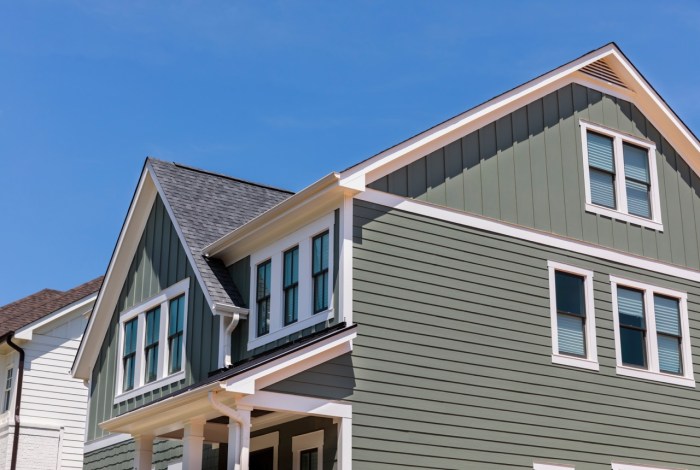
When it comes to house siding, there are several materials to choose from, each with its own set of benefits and considerations. Let’s explore the different options available:
Vinyl Siding
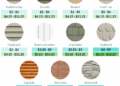
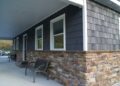
Vinyl siding is a popular choice due to its affordability and low maintenance requirements. It is durable, resistant to rot and insects, and comes in a variety of colors and textures to suit any style of home.
Wood Siding
Wood siding offers a classic, timeless look and can add warmth and charm to a home. While it requires more maintenance than vinyl, with regular painting or staining, it can last for many years if properly cared for.
Fiber Cement Siding
Fiber cement siding is a versatile option that is resistant to fire, insects, and rot. It can mimic the look of wood or stucco and comes in a range of colors and textures. While it is more expensive than vinyl, it is highly durable and long-lasting.
Metal Siding
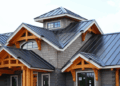
Metal siding, such as steel or aluminum, is known for its strength and durability. It is resistant to fire, rot, and pests, making it a low-maintenance option for homeowners. Metal siding is available in a variety of colors and finishes to complement any architectural style.
Cost Considerations
When it comes to choosing house siding materials, cost is a crucial factor to consider. The overall cost of siding can vary significantly based on the material chosen, the quality of the material, and the cost of installation. Additionally, long-term cost-effectiveness plays a key role in determining the best siding option for your home.
Variation in Cost
- The cost of vinyl siding is relatively low compared to other options, making it a popular choice for budget-conscious homeowners.
- Fiber cement siding tends to be more expensive upfront, but its durability can result in long-term cost savings due to minimal maintenance and repair needs.
- Wood siding offers a classic look but may require more maintenance over time, potentially leading to higher long-term costs.
- Metal siding can vary in price depending on the type of metal used, with aluminum typically being more affordable than steel or copper.
Choosing within Budget
- Consider the initial cost of materials and installation, as well as long-term maintenance expenses, when selecting a siding material.
- Request quotes from multiple contractors to compare prices and ensure you are getting a fair deal for both materials and labor.
- Explore financing options or incentives that may be available for energy-efficient siding materials to help offset costs.
Average Cost per Square Foot
| Siding Material | Average Cost per Square Foot |
|---|---|
| Vinyl | $3
|
| Fiber Cement | $5
|
| Wood | $6
|
| Metal | $7
|
Energy Efficiency and Insulation
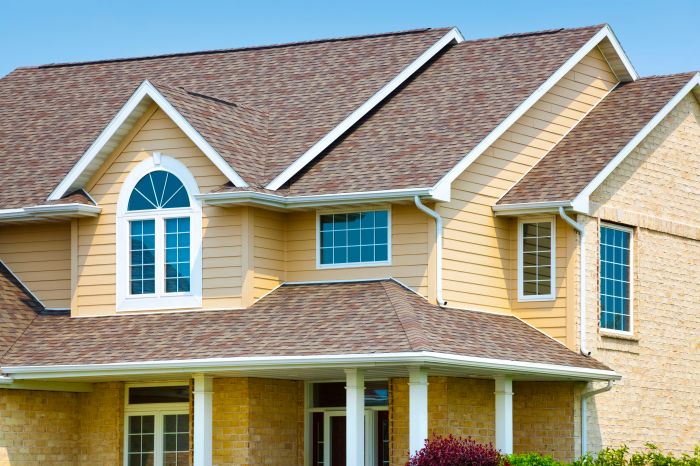
When it comes to choosing the right siding for your home, considering the energy efficiency and insulation properties is crucial. Different siding materials can have a significant impact on how well your home retains heat and stays cool, ultimately affecting your energy bills.
Impact of Siding Materials on Energy Efficiency
Here is how different siding materials can impact the energy efficiency of your home:
- Insulated Vinyl Siding: Insulated vinyl siding comes with a layer of foam insulation attached to the back of the panels, helping to reduce thermal bridging and improve energy efficiency.
- Fiber Cement Siding: Fiber cement siding is known for its durability and resistance to extreme weather conditions, which can help in maintaining a consistent indoor temperature and reducing energy consumption.
- Engineered Wood Siding: Engineered wood siding is designed to provide better insulation compared to natural wood, helping to regulate indoor temperatures and improve energy efficiency.
Insulation Properties of Siding Materials
Understanding the insulation properties of siding materials is essential for making an informed decision:
- Insulated Vinyl Siding: Offers excellent thermal insulation, reducing heat transfer and improving energy efficiency.
- Fiber Cement Siding: Provides good insulation due to its thickness and composition, helping to keep your home comfortable year-round.
- Engineered Wood Siding: Offers decent insulation properties, contributing to better energy efficiency and lower heating and cooling costs.
Environmental Impact and Recommendations
Considering the environmental impact of siding materials in terms of energy efficiency is crucial for sustainability:
- Choose insulated siding options to improve home insulation and reduce energy consumption.
- Opt for materials with high R-values to ensure better thermal performance and energy efficiency.
- Consult with a professional to determine the best siding material for your specific climate and energy needs.
Design Trends and Aesthetics
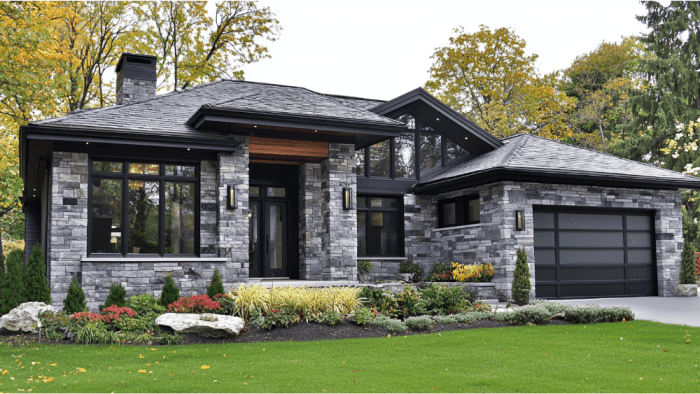
In today’s housing market, design trends play a crucial role in determining the overall appeal of a home. When it comes to house siding, the style and aesthetics can significantly impact the visual appeal of a property.Modern homes are embracing sleek and minimalist designs, with clean lines and contemporary finishes.
Popular siding options for these homes include smooth fiber cement panels, metal cladding, and even wood-look vinyl siding. These materials offer a clean and sophisticated look that complements the architectural design of the house.Curb appeal is a key consideration for homeowners looking to enhance the exterior of their property.
The right siding choice can elevate the overall look of a house, making it stand out in the neighborhood. Whether you prefer a bold statement with dark-colored siding or a more subtle approach with neutral tones, the design possibilities are endless.When selecting a siding style, it’s important to consider the architectural design of the home.
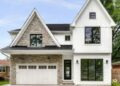
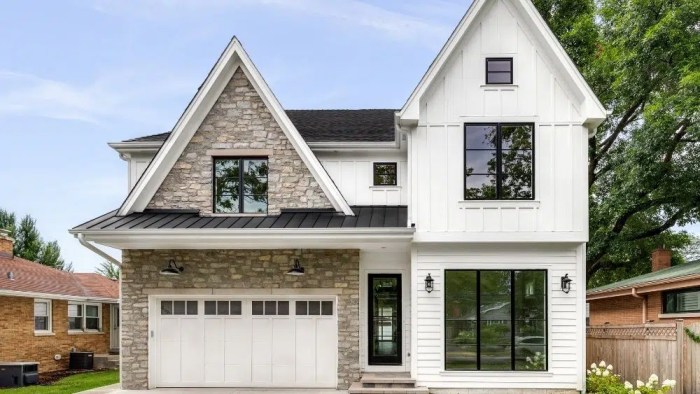
For example, a modern farmhouse may benefit from board and batten siding, while a contemporary home could be enhanced with sleek metal panels. The goal is to choose a siding option that harmonizes with the existing design elements and enhances the overall aesthetic appeal.
Current Trends in House Siding Design
- Embracing sleek and minimalist designs
- Utilizing clean lines and contemporary finishes
- Popular options include fiber cement panels, metal cladding, and wood-look vinyl siding
Last Word
In conclusion, the world of new house siding options offers a plethora of choices to elevate your home’s aesthetics and functionality. Whether you prioritize durability, energy efficiency, or design, there’s a siding option out there waiting to enhance your living space.
Popular Questions
What is the most cost-effective siding material?
Vinyl siding is often considered the most cost-effective option due to its initial affordability and low maintenance costs.
Which siding material offers the best insulation properties?
Insulated vinyl siding is known for its excellent insulation properties, helping to improve energy efficiency in homes.
How can I choose a siding color that complements my home’s architecture?
Consider the existing color palette of your home’s exterior and choose a siding color that harmonizes with those tones to create a cohesive look.