
Embark on a journey with Metal Experts Roofing and Siding, where quality meets durability and aesthetics in the world of construction. Dive into the realm of metal roofing and siding, exploring the innovative solutions and benefits that set them apart from traditional materials.
Overview of Metal Experts Roofing and Siding
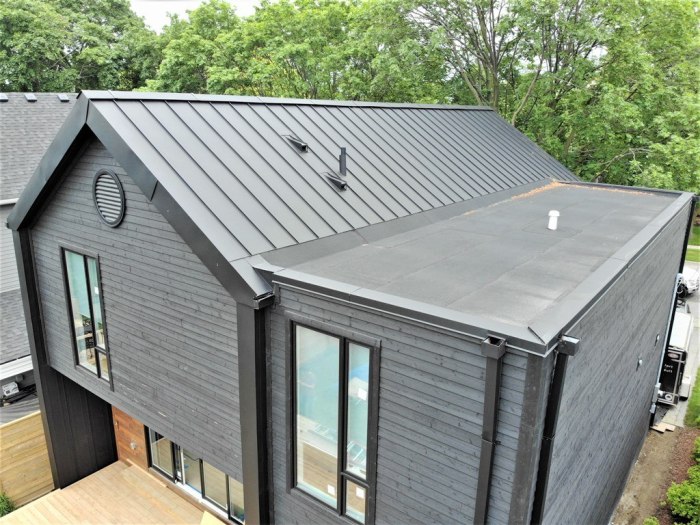
Metal Experts Roofing and Siding offers a range of services focused on providing high-quality roofing and siding solutions for residential and commercial buildings. With a team of skilled professionals, they specialize in the installation, repair, and maintenance of metal roofing and siding systems.Roofing and siding play a crucial role in protecting a building from external elements such as rain, wind, and snow.
High-quality roofing and siding not only enhance the aesthetic appeal of a property but also contribute to its overall structural integrity and longevity.
Benefits of Metal Roofing and Siding
Metal roofing and siding offer numerous advantages over traditional materials like asphalt shingles or wood. Here are some key benefits of choosing metal for your roofing and siding needs:
- Durability: Metal roofing and siding are highly durable and can withstand harsh weather conditions, including strong winds, heavy rain, and snow.
- Longevity: Metal roofs and siding have a longer lifespan compared to other materials, reducing the need for frequent replacements and repairs.
- Energy Efficiency: Metal roofing and siding can help improve energy efficiency by reflecting sunlight and reducing heat absorption, leading to lower cooling costs.
- Low Maintenance: Metal roofs and siding require minimal maintenance, saving time and money in the long run.
- Environmentally Friendly: Metal roofing and siding are recyclable materials, making them a sustainable choice for eco-conscious homeowners.
Metal Roofing Solutions
Metal roofing solutions offer a durable and stylish option for homeowners looking to upgrade their roofs. Metal roofs are known for their longevity, energy efficiency, and resistance to harsh weather conditions. Let’s explore the different types of metal roofing options available and compare their durability to other roofing materials.
Types of Metal Roofing Options
Metal roofing comes in various materials such as aluminum, steel, zinc, and copper. Each material has its unique characteristics and benefits. Aluminum is lightweight and corrosion-resistant, while steel is known for its strength and durability. Zinc and copper offer a more upscale and elegant look for homeowners seeking a distinctive style.
Durability of Metal Roofing
Metal roofing is highly durable and can last for 50 years or more with proper maintenance. In comparison, asphalt shingles typically last around 20-30 years before needing replacement. Metal roofs are also resistant to fire, mildew, and pests, making them a more reliable option in the long run.
Popular Metal Roofing Designs and Styles
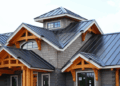
Some popular metal roofing designs include standing seam, metal tiles, and metal shingles. Standing seam roofs have raised seams that interlock to provide a sleek and modern look. Metal tiles can mimic the appearance of traditional clay or slate tiles while offering the benefits of metal roofing.
Metal shingles come in various shapes and colors, allowing homeowners to customize their roofs to suit their style preferences.
Metal Siding Options
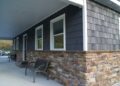
Metal siding is a popular choice for residential and commercial buildings due to its durability, low maintenance, and modern aesthetic appeal. There are various metal siding materials used in construction, each with its own unique properties and benefits.
Types of Metal Siding Materials
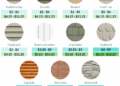
Metal siding materials commonly used in construction include:
- Steel: Known for its strength and durability, steel siding is often coated with zinc or other protective layers to prevent rust and corrosion.
- Aluminum: Lightweight and resistant to corrosion, aluminum siding is a popular choice for coastal areas or regions with high humidity.
- Copper: Coveted for its natural beauty and longevity, copper siding develops a unique patina over time, adding character to the building.
- Zinc: Highly durable and low maintenance, zinc siding is known for its self-healing properties, where scratches and imperfections can heal over time.
Insulation Properties of Metal Siding
Metal siding, especially when installed with proper insulation materials, can provide excellent thermal performance, helping to regulate indoor temperatures and reduce energy costs. Insulated metal siding can also contribute to soundproofing, making it an ideal choice for buildings in noisy environments.
Maintenance Requirements of Metal Siding
While metal siding is generally low maintenance compared to other materials like wood or vinyl, it still requires some care to ensure its longevity. Regular cleaning with a mild detergent and water can help prevent dirt and grime buildup. Additionally, inspecting the siding for any signs of damage, such as dents or scratches, and addressing them promptly can help prevent more extensive repairs in the future.
Installation Process
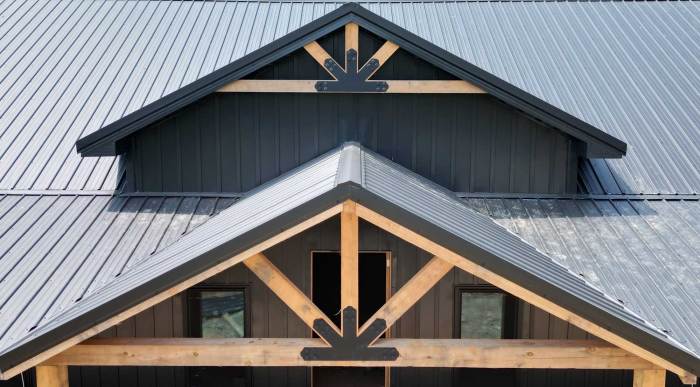
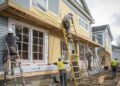
Metal roofing and siding installation require precision and expertise to ensure a durable and long-lasting finish. Let’s delve into the steps involved in installing metal roofing and siding, along with key considerations for a successful installation.
Metal Roofing Installation
Installing metal roofing involves the following steps:
- Preparation of the roof deck by ensuring it is clean, dry, and free of any debris.
- Measurement and cutting of metal panels to fit the roof dimensions accurately.
- Installation of underlayment to provide additional weather protection.
- Securing the metal panels to the roof deck using appropriate fasteners.
- Sealing seams and joints to prevent water infiltration.
- Final inspection to ensure the installation meets quality standards.
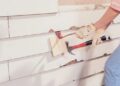
Metal Siding Installation
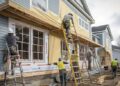
The process of installing metal siding on a building includes the following steps:
- Preparation of the walls by ensuring they are clean and free of any damage.
- Measurement and cutting of metal siding panels to fit the wall dimensions accurately.
- Installation of a moisture barrier to prevent water infiltration.
- Securing the metal siding panels to the wall using suitable fasteners.
- Sealing seams and edges to ensure a watertight finish.
- Final inspection to confirm the siding is installed correctly and securely.
Key Considerations for Successful Installation
- Ensure proper ventilation to prevent moisture buildup under the metal roofing or siding.
- Use high-quality materials and fasteners to ensure durability and longevity.
- Follow manufacturer guidelines and recommendations for installation techniques.
- Work with experienced professionals to guarantee a precise and efficient installation process.
- Regular maintenance and inspections are essential to prolong the lifespan of metal roofing and siding.
Cost and Maintenance
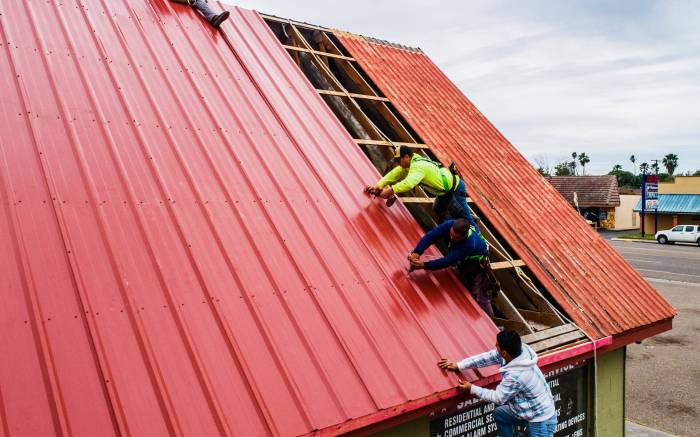
Metal roofing and siding may have higher upfront costs compared to traditional options, but they offer long-term benefits that can outweigh the initial investment. When it comes to maintenance, metal products are known for their durability and low maintenance requirements.
Cost Comparison
Metal roofing and siding can be more expensive to install initially than traditional asphalt shingles or vinyl siding. However, the longevity of metal products often results in cost savings over time. Metal roofs can last 50 years or more, while traditional roofs may need to be replaced every 15-20 years.
This longevity can make metal roofing a cost-effective choice in the long run.
Maintenance Needs
Metal roofing and siding require minimal maintenance compared to other materials. Regular inspections for damage, cleaning debris, and ensuring proper drainage are essential for maintaining the integrity of the metal products. Additionally, checking for any loose fasteners or sealants can prevent potential leaks and issues down the line.
Tips for Maintenance
- Regularly inspect the roof and siding for any signs of damage or wear.
- Clean debris such as leaves, branches, and dirt off the metal surface to prevent buildup and potential damage.
- Ensure proper drainage to avoid water pooling on the roof, which can lead to leaks and structural damage.
- Check and tighten any loose fasteners or sealants to maintain the integrity of the roof and siding.
- Consider applying a protective coating or sealant to prolong the life of the metal and enhance its appearance.
Ultimate Conclusion
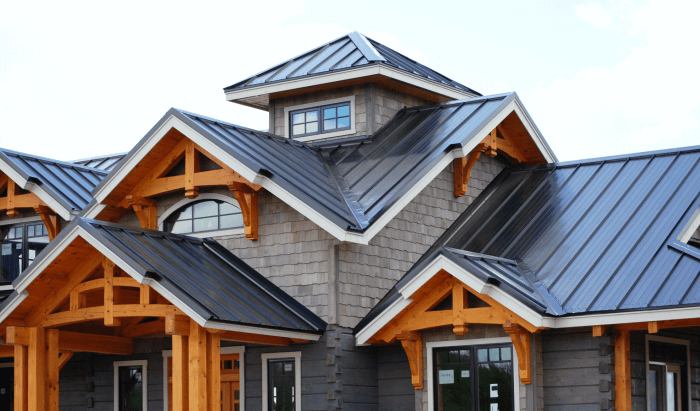
In conclusion, Metal Experts Roofing and Siding stand as the pinnacle of modern construction practices, offering unmatched quality, longevity, and style. Embrace the future with metal solutions that redefine the standards of roofing and siding.
Expert Answers
What services are provided by Metal Experts Roofing and Siding?
Metal Experts Roofing and Siding offer a range of services including metal roofing installation, metal siding installation, and maintenance services.
How do metal roofing and siding compare to traditional materials in terms of cost?
Metal roofing and siding may have a higher upfront cost but provide long-term cost savings due to their durability and low maintenance requirements.
What are the key steps involved in installing metal roofing?
The installation process typically involves preparing the roof surface, installing the metal panels, and ensuring proper insulation and sealing.