
With exterior siding trim at the forefront, this paragraph sets the stage for a comprehensive exploration of various materials, installation methods, maintenance practices, and design options. Get ready to delve into the world of exterior siding trim!
Types of Exterior Siding Trim
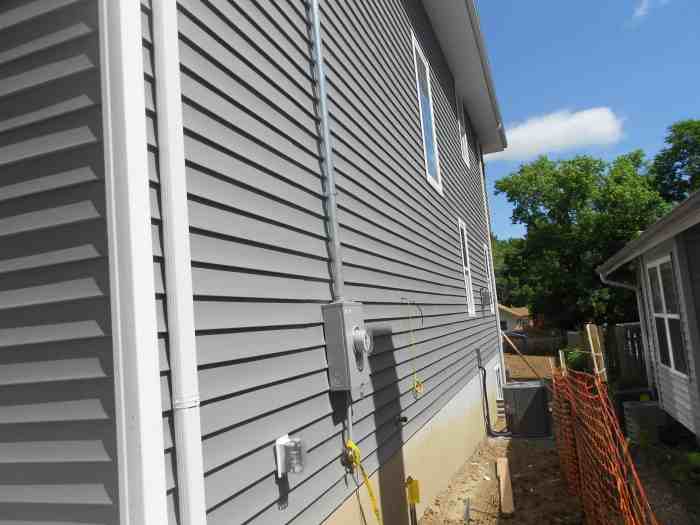
When it comes to exterior siding trim, there are several materials to choose from, each with its own set of pros and cons. Understanding the different types can help you make an informed decision based on your specific needs and preferences.
Vinyl Trim
Vinyl trim is a popular choice for its affordability and low maintenance requirements. It is resistant to rot, insects, and moisture, making it durable and long-lasting. However, vinyl trim can fade over time and may not offer the same aesthetic appeal as other materials.
It is best suited for homeowners looking for a cost-effective option that requires minimal upkeep.
Wood Trim
Wood trim provides a classic and natural look that can enhance the curb appeal of a home. It can be easily painted or stained to match the overall design of the house. However, wood trim requires regular maintenance, including sealing, painting, and protecting against rot and pests.
It is ideal for homeowners who prioritize aesthetics and are willing to invest time and effort in upkeep.
Fiber Cement Trim
Fiber cement trim offers the look of wood without the high maintenance requirements. It is resistant to rot, insects, and fire, making it a durable option for exterior siding trim. Fiber cement trim is available in a variety of textures and finishes, providing versatility in design.
While it may be more expensive than vinyl trim, it is a long-term investment for homeowners seeking a balance between aesthetics and durability.
Aluminum Trim
Aluminum trim is lightweight, durable, and resistant to rust and corrosion. It requires minimal maintenance and can be easily shaped and installed. Aluminum trim is a practical choice for areas with harsh weather conditions or exposure to moisture. It is suitable for homeowners looking for a low-maintenance option that can withstand the elements.
Installation Methods
Installing exterior siding trim requires a careful and precise approach to ensure a seamless and professional finish. By following the general steps Artikeld below and using the necessary specialized tools, you can achieve a high-quality result for your home’s exterior.
General Steps for Installing Exterior Siding Trim:
- Prepare the surface: Before installing the trim, make sure the surface is clean, dry, and free of any debris or dust. This will help the trim adhere properly.
- Measure and cut the trim: Take precise measurements of the area where the trim will be installed and cut the trim pieces accordingly. Use a miter saw for angled cuts to ensure a tight fit.
- Attach the trim: Apply a suitable adhesive or nails to secure the trim in place. Be sure to follow the manufacturer’s instructions for the best results.
- Fill gaps and caulk: Once the trim is installed, fill any gaps between the trim and the siding with caulk to prevent moisture from seeping in.
- Paint or finish: Finally, apply a coat of paint or finish to the trim to protect it from the elements and enhance its appearance.
Specialized Tools for Installation:
- Miter saw: Essential for making precise angled cuts on the trim pieces.
- Nail gun or hammer: Used to secure the trim in place.
- Caulking gun: For applying caulk to seal gaps and joints.
- Level: Ensures that the trim is installed straight and level.
- Tape measure: To accurately measure the dimensions of the trim pieces.
Tips for a Professional Finish:
- Take your time and measure twice before cutting to avoid mistakes.
- Use a high-quality adhesive or nails for a secure installation.
- Ensure the trim is properly sealed with caulk to prevent water damage.
- Paint or finish the trim after installation for added protection and a polished look.
- Consider hiring a professional if you are unsure about the installation process to achieve the best results.
Maintenance and Care
Regular maintenance of exterior siding trim is essential to ensure its longevity and aesthetic appeal. By following recommended practices, you can prevent damage and prolong the lifespan of your siding trim.
Recommended Maintenance Practices
- Inspect the siding trim regularly for any signs of damage, such as cracks, rot, or discoloration.
- Clean the trim with a mild detergent and water solution to remove dirt, debris, and mildew buildup.
- Repair any damaged areas promptly to prevent further deterioration.
- Apply a fresh coat of paint or sealant to protect the trim from moisture and UV rays.
Spotting Signs of Damage
- Cracks or splits in the trim.
- Discoloration or fading of paint or finish.
- Soft or spongy areas indicating rot or water damage.
- Peeling or bubbling paint, which can be a sign of moisture penetration.
Tips for Extending Lifespan
- Regularly clean and inspect the siding trim at least once a year.
- Keep vegetation trimmed back to prevent contact with the trim and reduce moisture buildup.
- Avoid using harsh chemicals or power washing, as these can damage the trim.
- Consider applying a protective coating or sealant every few years to maintain the trim’s integrity.
Design and Aesthetics
When it comes to exterior siding trim, the design and aesthetics play a crucial role in enhancing the overall look of a home. The right choice of siding trim can significantly impact the curb appeal and visual appeal of a property.
Types of Design Options
- Traditional Trim: Classic and timeless, traditional trim designs offer a clean and neat look that complements various architectural styles.
- Modern Trim: Sleek and minimalist, modern trim designs are perfect for contemporary homes seeking a more streamlined and sophisticated appearance.
- Rustic Trim: For a cozy and inviting feel, rustic trim designs with natural textures and finishes can add warmth and charm to a home’s exterior.
Enhancing Aesthetics
- Color Contrast: Choosing a siding trim color that contrasts with the main siding color can create visual interest and highlight architectural features.
- Architectural Details: Incorporating decorative trim elements like crown moldings, corbels, or trim boards can add character and depth to the exterior of a home.
- Accent Pieces: Using trim creatively around windows, doors, and corners can accentuate these areas and draw attention to architectural focal points.
Creative Incorporation for Curb Appeal
- Board and Batten: Mixing vertical and horizontal siding panels with trim boards can create a charming and rustic look with a modern twist.
- Trim Accents: Adding trim elements in unique patterns or shapes, such as geometric designs or scalloped edges, can make a bold statement and elevate the overall aesthetic.
- Color Blocking: Experimenting with different colors and finishes for siding trim can result in a striking and contemporary facade that stands out in the neighborhood.
Epilogue
As we wrap up our discussion on exterior siding trim, remember that the choices you make in material, installation, maintenance, and design can truly transform the look and feel of your home. Embrace the possibilities and make your exterior truly stand out with the right siding trim choices.
Q&A
What are the common types of exterior siding trim materials?
Common types include wood, vinyl, fiber cement, aluminum, and composite materials.
What tools are typically needed for installing exterior siding trim?
Tools like a saw, hammer, level, caulk gun, and nails are commonly used for installation.
How can I extend the lifespan of my exterior siding trim?
Regular cleaning, inspections for damage, and prompt repairs can help prolong the lifespan of your siding trim.