
Embark on a journey through the world of Cape Cod vinyl siding, where history, benefits, and installation tips converge to create a seamless exterior solution for homes in this picturesque region.
Discover the various types of vinyl siding available, maintenance requirements, cost considerations, and more as we delve deeper into this versatile siding option.
Overview of Cape Cod Vinyl Siding
Vinyl siding has been a popular choice for homeowners in Cape Cod for several decades. Introduced in the 1950s, vinyl siding quickly gained traction due to its durability, low maintenance requirements, and affordability.
Benefits of Using Vinyl Siding in Cape Cod
- Weather Resistance: Vinyl siding is highly resistant to harsh weather conditions, such as strong winds, salt spray, and humidity, making it ideal for the coastal climate of Cape Cod.
- Low Maintenance: Unlike traditional wood siding, vinyl siding does not require painting or staining, saving homeowners time and money on upkeep.
- Energy Efficiency: Many vinyl siding options come with insulation properties, helping to improve the energy efficiency of homes and reduce heating and cooling costs.
- Versatility: Vinyl siding is available in a wide range of colors and styles, allowing homeowners to customize the look of their homes to suit their preferences.
Popularity of Vinyl Siding in Cape Cod
Vinyl siding’s popularity in Cape Cod can be attributed to its ability to withstand the region’s unique climate challenges, such as high humidity, salt air, and strong winds. Additionally, the low maintenance requirements and cost-effectiveness of vinyl siding make it a practical choice for homeowners looking to enhance the appearance and protection of their homes without breaking the bank.
Types of Cape Cod Vinyl Siding
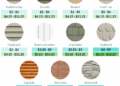
When it comes to choosing vinyl siding for your Cape Cod home, there are several types available, each with its own unique features and benefits. It’s important to consider the climate of Cape Cod when selecting the most suitable option for your property.
1. Traditional Lap Siding
Traditional lap siding is a popular choice for many Cape Cod homes due to its classic look and durability. It features horizontal panels that overlap each other, creating a timeless aesthetic.
2. Shingle Siding
Shingle siding mimics the look of cedar shingles but offers the low maintenance and longevity of vinyl. This type of siding adds a charming, coastal feel to Cape Cod homes.
3. Board and Batten Siding
Board and batten siding features wide vertical panels with narrow strips covering the joints. This style adds texture and visual interest to the exterior of your home, perfect for Cape Cod’s architectural charm.
4. Shake Siding
Shake siding replicates the look of cedar shakes, providing a rustic and natural appearance. It’s a great option for homeowners looking to add warmth and character to their Cape Cod property.
5. Insulated Vinyl Siding
Insulated vinyl siding comes with a layer of foam insulation attached to the back of the panels. This type of siding helps improve energy efficiency and can be particularly beneficial in the Cape Cod climate, where temperatures can fluctuate.
Installation Process
Installing vinyl siding in Cape Cod involves a step-by-step process that ensures a durable and visually appealing finish for your home. Proper installation is key to maximizing the benefits of vinyl siding, such as low maintenance and improved energy efficiency.
Step-by-Step Process
- Prepare the Surface: Before installation, ensure the surface is clean, smooth, and free of any debris or damage.
- Measure and Cut: Accurately measure the dimensions of each siding panel and cut them to fit the specific area of your home.
- Install Starter Strips: Begin by installing starter strips along the bottom of the exterior walls to provide a secure base for the siding panels.
- Attach the Panels: Secure each siding panel to the wall using nails or screws, making sure to leave room for expansion and contraction.
- Finish with Trim: Complete the installation by adding trim pieces around windows, doors, and corners for a polished look.
Tips for Successful Installation
- Follow Manufacturer Instructions: Always refer to the manufacturer’s guidelines for proper installation techniques and tools.
- Use Quality Materials: Invest in high-quality vinyl siding and accessories to ensure durability and longevity.
- Pay Attention to Detail: Take your time during installation to ensure each panel is properly aligned and securely fastened.
- Consider Weather Conditions: Choose a day with mild weather to install vinyl siding, as extreme temperatures can affect the material.
- Seek Professional Help if Needed: If you’re unsure about the installation process, don’t hesitate to hire a professional to ensure a flawless finish.
Common Challenges
- Uneven Surfaces: Dealing with irregular or uneven surfaces can make installation more challenging and may require additional preparation.
- Moisture Issues: Improper sealing or ventilation can lead to moisture build-up behind the siding, causing damage over time.
- Warped Panels: Warping can occur during storage or due to improper handling, affecting the overall appearance and fit of the siding.
- Inadequate Fastening: Insufficient fastening of the panels can result in loose or wobbly siding that is prone to damage and detachment.
Maintenance and Care
Proper maintenance and care are essential to ensure the longevity and appearance of your Cape Cod vinyl siding. By following these guidelines, you can keep your siding looking great for years to come.
Maintenance Requirements
Regular maintenance is key to preserving the quality of your vinyl siding. Here are some important maintenance tasks to keep in mind:
- Inspect your siding annually for any signs of damage or wear and tear.
- Trim any nearby trees or shrubs that may be brushing against the siding to prevent scratches or damage.
- Clean your siding regularly to remove dirt, dust, and mildew buildup.
- Check for any loose or damaged panels and address them promptly.
Cleaning and Preservation
When it comes to cleaning and preserving your vinyl siding, follow these best practices:
- Use a mixture of water and mild detergent to clean your siding, avoiding harsh chemicals that may damage the material.
- Rinse your siding thoroughly with a garden hose to remove any soapy residue.
- Do not use abrasive materials or scrubbers that may scratch the surface of the vinyl.
- Consider using a power washer on a low setting for tough stains, but be cautious not to use too much pressure.
Repairs and Replacements
In case repairs or replacements are needed for your Cape Cod vinyl siding, it’s important to address them promptly. Here’s how to handle such situations:
- For minor repairs, such as small cracks or holes, use a vinyl siding repair kit to fix the issue.
- If larger sections of siding are damaged, consider contacting a professional to assess the extent of the damage and provide recommendations for repair or replacement.
- When replacing siding panels, make sure to match the color and style of the existing siding for a seamless look.
Cost Considerations
When considering Cape Cod vinyl siding, it’s important to understand the costs associated with purchasing and installing this type of siding. Vinyl siding is known for being a cost-effective option that provides durability and low maintenance, making it a popular choice for homeowners in the region.
Breakdown of Costs
- The cost of Cape Cod vinyl siding typically ranges from $2 to $7 per square foot, depending on the quality and style chosen.
- Installation costs can vary but generally range from $4 to $8 per square foot, including labor and materials.
- Additional costs may include insulation, trim pieces, and accessories, which can add to the overall project cost.
Comparison with Other Siding Materials
- When comparing vinyl siding with other popular siding materials in the region, such as wood or fiber cement, vinyl siding tends to be more cost-effective upfront.
- While initial costs may be higher for wood or fiber cement siding, the long-term maintenance and replacement costs are often lower for vinyl siding, making it a more budget-friendly option in the long run.
Tips for Budgeting
- Get multiple quotes from different contractors to compare prices and services offered.
- Consider the quality and style of the vinyl siding to ensure you’re getting the best value for your budget.
- Plan ahead and budget for any additional costs, such as insulation or trim pieces, to avoid unexpected expenses during the project.
Concluding Remarks
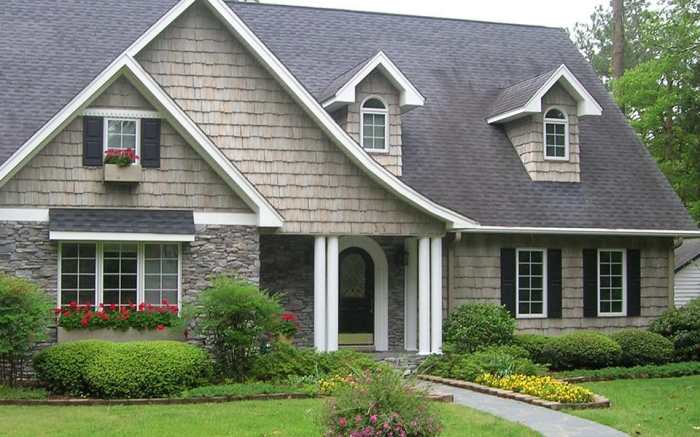
In conclusion, Cape Cod vinyl siding offers durability, versatility, and aesthetic appeal for homeowners seeking a reliable and low-maintenance siding option. Whether you’re drawn to its history, fascinated by its benefits, or intrigued by its installation process, vinyl siding proves to be a timeless choice for Cape Cod residences.
Question & Answer Hub
What makes Cape Cod vinyl siding unique?
Cape Cod vinyl siding is known for its ability to withstand harsh weather conditions while adding a touch of charm to homes in the region.
How do I maintain Cape Cod vinyl siding?
Regular cleaning with a mild detergent and water, along with occasional inspections for damage, can help maintain the quality and appearance of your vinyl siding.
Is vinyl siding cost-effective for Cape Cod homes?
While initial costs may vary, the long-term durability and low maintenance requirements of vinyl siding make it a cost-effective choice for homeowners in Cape Cod.