
Embark on a journey through the realm of siding installation, where we unravel the intricacies of different materials, processes, costs, and maintenance. Brace yourself for a deep dive into the world of siding installation that promises to be both informative and engaging.
Delve into the nuances of siding installation as we explore various types of materials, step-by-step processes, cost considerations, and essential maintenance tips.
Types of Siding Materials
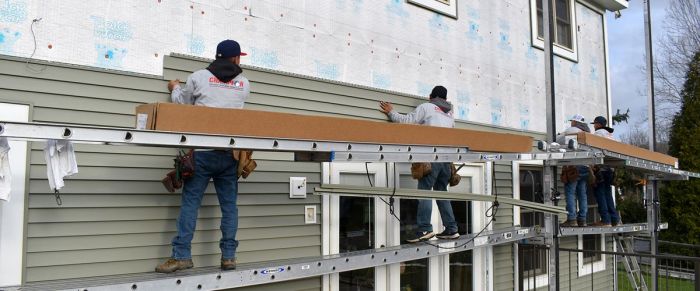
When it comes to siding installation, there are various types of materials to choose from, each with its own unique features and benefits. It’s important to understand the different options available to make an informed decision for your home.
Vinyl Siding
Vinyl siding is one of the most popular choices for homeowners due to its affordability and low maintenance. It is available in a wide range of colors and styles, making it versatile for different home designs. However, it may crack or fade over time, and some homeowners find it less durable compared to other materials.
Fiber Cement Siding
Fiber cement siding is known for its durability and resistance to fire, rot, and pests. It can mimic the look of wood or stucco but requires less maintenance. While it is a bit more expensive upfront, it often pays off in the long run due to its longevity and low maintenance requirements.
Wood Siding
Wood siding offers a natural and timeless look that many homeowners appreciate. It can be painted or stained in various colors and finishes to match your home’s aesthetic. However, wood siding requires regular maintenance to prevent rot, mold, and insect damage, making it a higher maintenance option compared to others.
Aluminum Siding
Aluminum siding is lightweight, durable, and resistant to fire and insects. It is also easy to install and comes in a variety of colors. However, aluminum siding can dent easily and may require repainting over time, which can add to the maintenance costs.
Engineered Wood Siding
Engineered wood siding combines wood fibers and other materials to create a more durable and stable product. It offers the look of real wood with less maintenance required. However, it can be more expensive than traditional wood siding options.Each siding material has its own set of pros and cons, so it’s essential to consider your budget, maintenance preferences, and desired aesthetic when choosing the right option for your home.
Siding Installation Process
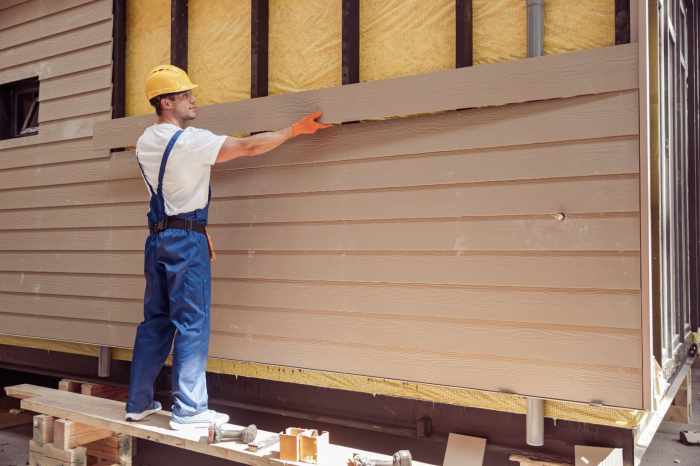
Installing siding involves several steps to ensure a successful and long-lasting outcome. Proper preparation and the right tools are essential for a smooth installation process.
Step-by-Step Process
- 1. Preparation:Before starting the installation, it is crucial to prepare the surface by cleaning it thoroughly and repairing any damage.
- 2. Measurement:Accurately measure the area where the siding will be installed to determine the amount of material needed.
- 3. Cutting:Cut the siding panels to the appropriate size using a circular saw or specialized siding cutter.
- 4. Installation:Begin installing the siding from the bottom up, ensuring each panel is properly aligned and securely fastened.
- 5. Trimming:Trim the edges and corners of the siding to create a clean and finished look.
- 6. Finishing Touches:Add any necessary finishing touches, such as corner pieces or trim, to complete the installation.
Tools and Equipment
- 1. Circular Saw:Used for cutting siding panels to size.
- 2. Level:Ensures that the siding is installed straight and level.
- 3. Hammer or Nail Gun:For fastening the siding to the structure.
- 4. Siding Cutter:Provides a clean and precise cut for siding panels.
- 5. Measuring Tape:Essential for accurate measurements before cutting and installing siding.
- 6. Safety Gear:Including gloves, goggles, and a dust mask to protect yourself during the installation process.
Importance of Proper Preparation
Proper preparation before beginning the siding installation is crucial for a successful outcome. Cleaning the surface, repairing any damage, and ensuring accurate measurements can prevent issues during the installation process. Adequate preparation sets the foundation for a smooth and efficient siding installation, ultimately leading to a professional-looking result.
Cost Factors of Siding Installation
When considering siding installation, it’s essential to understand the key cost factors involved to make informed decisions. From materials to labor, various aspects contribute to the overall cost of the project. Let’s delve into the factors that can impact the cost of siding installation.
Types of Siding Materials and Their Costs
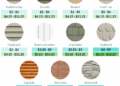
- Vinyl Siding: Vinyl siding is one of the most cost-effective options available, with an average cost of $4-$7 per square foot for materials. Installation costs can range from $2-$7 per square foot, depending on the complexity of the project.
- Fiber Cement Siding: Fiber cement siding is a durable and low-maintenance option that typically costs $6-$12 per square foot for materials. Installation costs can vary from $5-$10 per square foot.
- Wood Siding: Wood siding provides a natural and timeless look but comes at a higher cost compared to other materials. The average cost of wood siding materials ranges from $8-$12 per square foot, with installation costs averaging $6-$11 per square foot.
- Aluminum Siding: Aluminum siding is a lightweight and durable option that costs around $3-$6 per square foot for materials. Installation costs typically range from $4-$9 per square foot.
Optimizing Costs Without Compromising Quality
- Obtain Multiple Quotes: It’s crucial to get quotes from multiple siding contractors to compare prices and services offered. This allows you to choose the most cost-effective option without sacrificing quality.
- Consider DIY Options: If you have the skills and tools, you may be able to save money by installing the siding yourself. However, be cautious as improper installation can lead to costly repairs down the line.
- Maintain Your Siding: Regular maintenance and inspections can help prolong the life of your siding, reducing the need for premature replacement and saving you money in the long run.
- Plan Ahead: Proper planning and budgeting can help you avoid unexpected expenses during the siding installation process. Factor in additional costs for any unforeseen repairs or upgrades that may arise.
Maintenance and Care for Siding
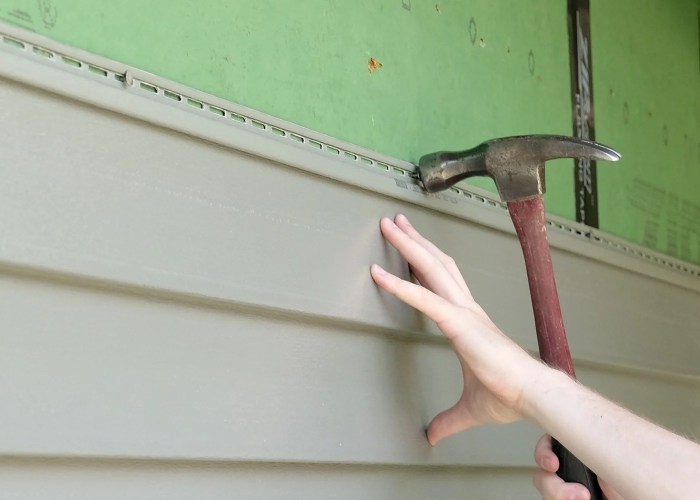
Regular maintenance and care for siding is essential to ensure its longevity and aesthetic appeal. By following these tips, you can keep your siding looking great for years to come.
Routine Inspections and Cleaning
- Inspect your siding annually for any signs of damage, such as cracks, peeling paint, or mold growth.
- Clean your siding with a mild detergent and water solution to remove dirt, debris, and mildew.
- Trim any bushes or trees near your siding to prevent damage from overgrowth and pests.
Common Issues and Solutions
- If you notice any cracks or gaps in your siding, seal them with caulk to prevent water infiltration.
- Address any areas with peeling paint promptly to prevent further damage to the siding material.
- If you see signs of mold or mildew, clean the affected area with a mixture of bleach and water to prevent it from spreading.
Prolonging Lifespan
- Apply a fresh coat of paint or stain to your siding every few years to protect it from the elements and maintain its appearance.
- Consider investing in professional siding maintenance services to ensure thorough inspections and repairs are done regularly.
- Keep an eye out for any signs of water damage or insect infestation, as these can significantly impact the lifespan of your siding.
Closure
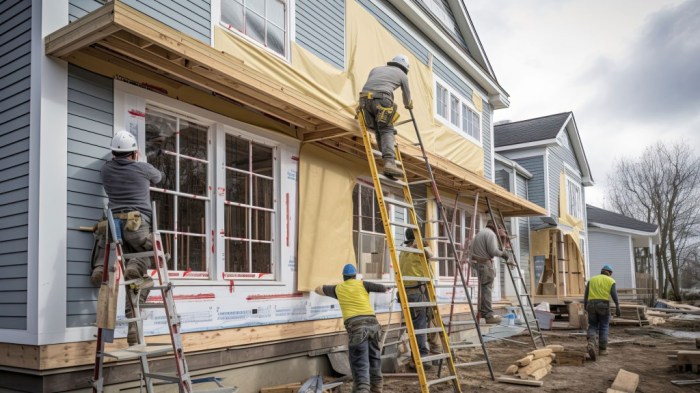
As we conclude our exploration of siding installation, we leave you with a comprehensive understanding of the key aspects involved. From materials to maintenance, we’ve covered it all, ensuring you’re well-equipped to tackle your next siding project with confidence.
General Inquiries
What are the key factors to consider when choosing siding materials?
Factors to consider include durability, maintenance requirements, aesthetic appeal, and cost.
What tools are essential for a successful siding installation?
Essential tools include a hammer, nails, level, circular saw, and tape measure.
How can I maintain my siding post-installation?
Maintain siding by regularly cleaning it, inspecting for damage, and addressing issues promptly.
What are common issues that may arise with siding, and how can they be addressed?
Common issues include moisture damage, warping, and fading, which can be addressed through timely repairs and proper maintenance.